Knowing When to Say No: Olly Moors on the Art of Building a Race Programme
In professional cycling, ambition is often measured by the races a team can get into. For Olly Moors, Sports Director and Head of Performance at DAS-Hutchinson, the more important question is which races a team should actually start.
“It’s easy to say yes to every invite,” Moors says. “But just because you can race doesn’t mean you should.”
For a developing team operating beneath the sport’s biggest budgets, constructing a calendar is a constant exercise in compromise. Opportunity matters, but so does rider health, the level of the athletes available, staff capacity and cost. Moors sees those factors as interconnected rather than separate problems.
“You have to balance a few things: rider health, rider form, staff availability and energy, and cost. If you only look at the quality of the race, you’re missing half the picture.”
At the centre of that thinking is a clear objective. The goal is to progress riders to the top level, giving them opportunities to compete in world-class events while still racing and supporting the UK National Series rounds that form a crucial part of their development pathway. The temptation is obvious. A prestigious invitation brings exposure, strong opposition and another opportunity for riders to test themselves against the best. But, accumulating race days without considering what comes afterwards can quickly turn opportunity into fatigue. For Moors, the calendar therefore has to serve a purpose. The period leading into the British National Championships offered a useful example. Rather than filling every available weekend, DAS-Hutchinson deliberately selected a programme including Navarra and the WorldTour-level Vuelta a Burgos.
“Before Nationals, I carefully chose races like Navarra and Burgos,” he explains. “They gave our riders the chance to gain experience at that level, but the important part was making sure they could actually absorb those races and still be able to perform afterwards.”
The distinction between simply experiencing a higher level and being physically capable of benefiting from it sits at the heart of Moors’ approach. A demanding stage race can expose a developing rider to positioning, speed and tactical situations that are difficult to replicate in training. But those lessons have little value if the athlete moves immediately into another block of racing already depleted. So after Vuelta a Burgos, the team resisted the urge to keep racing.
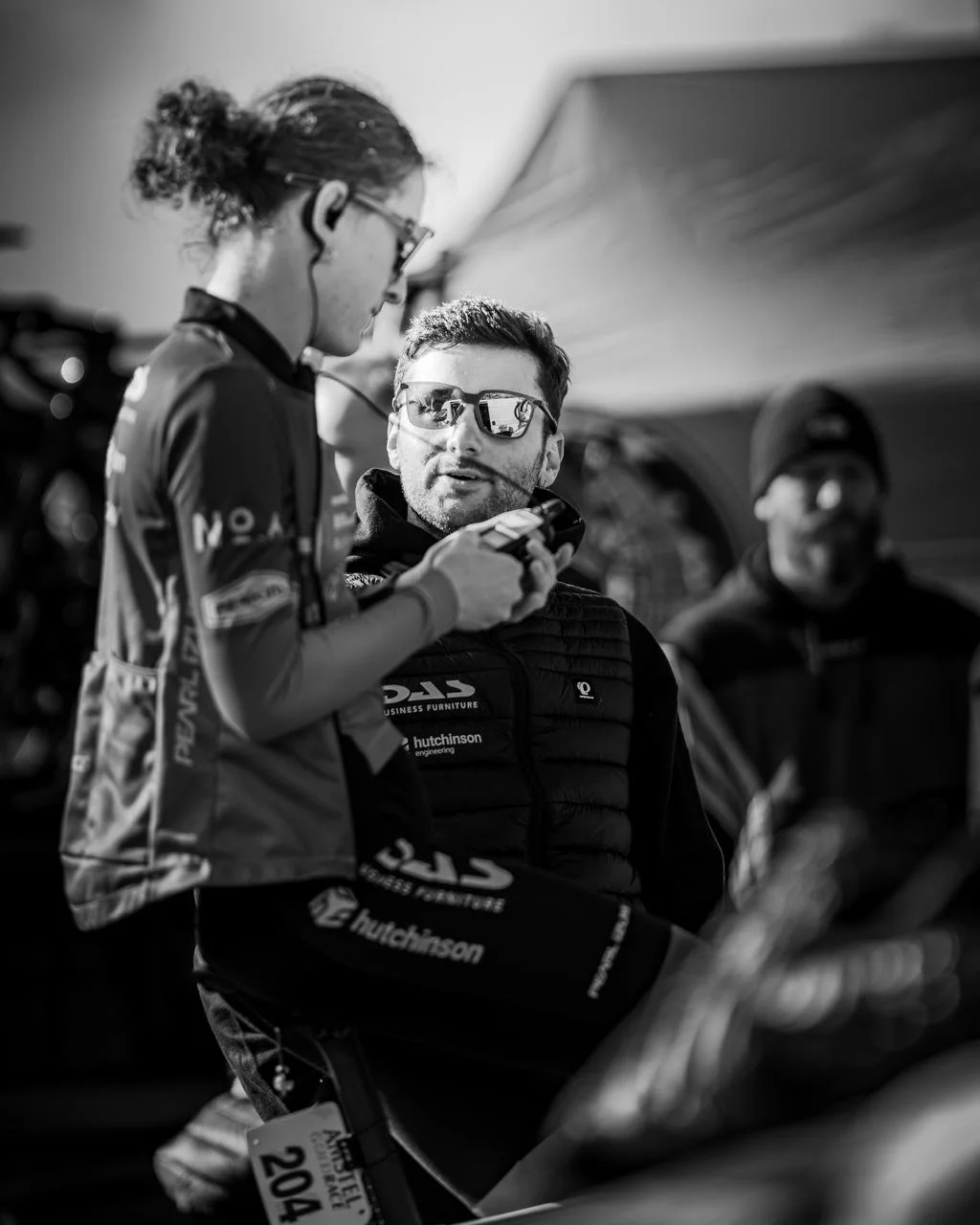
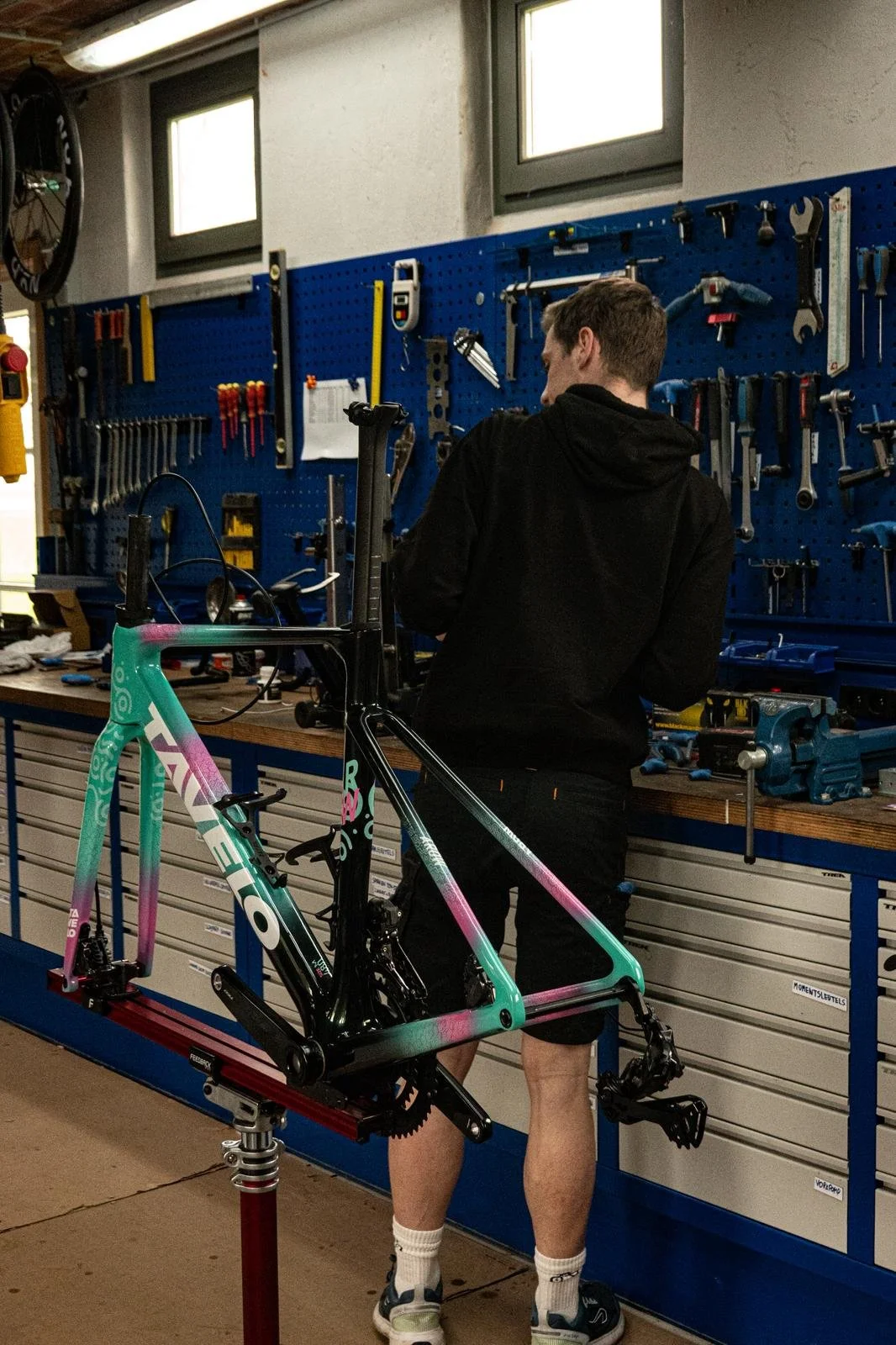
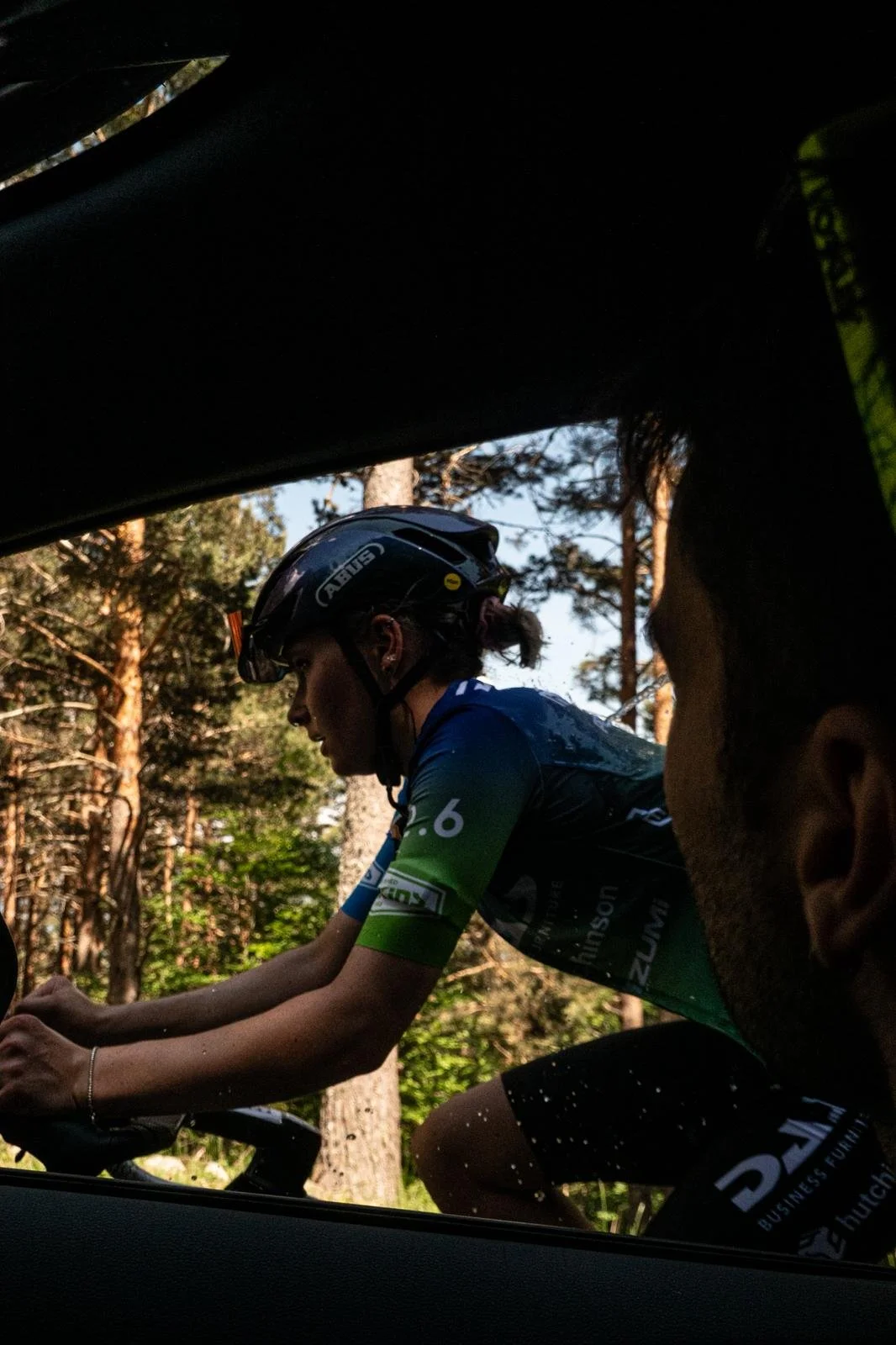
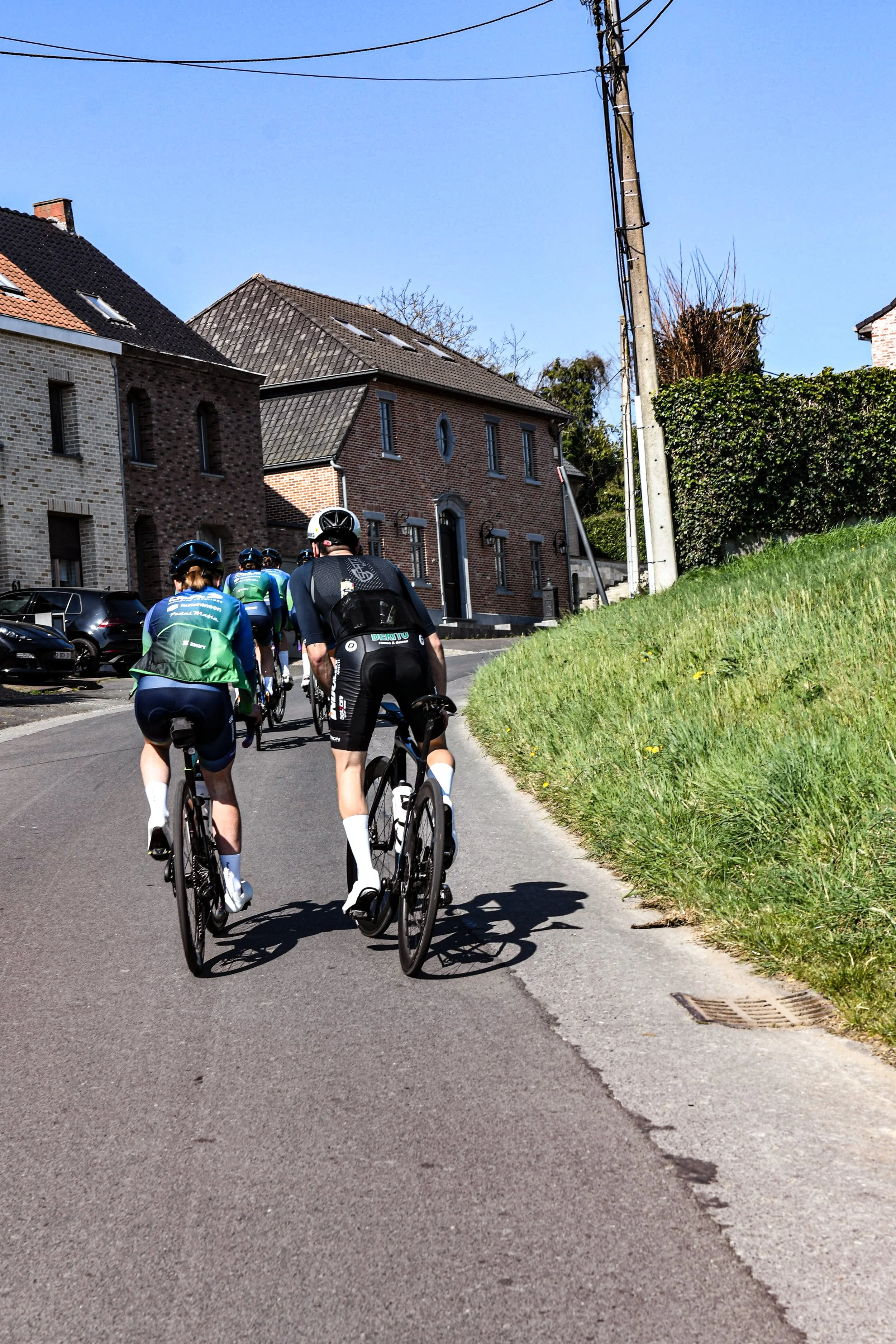
“We deliberately had a small gap before Nationals. That gave the riders time to recover, train and actually prepare rather than just moving from race to race.”
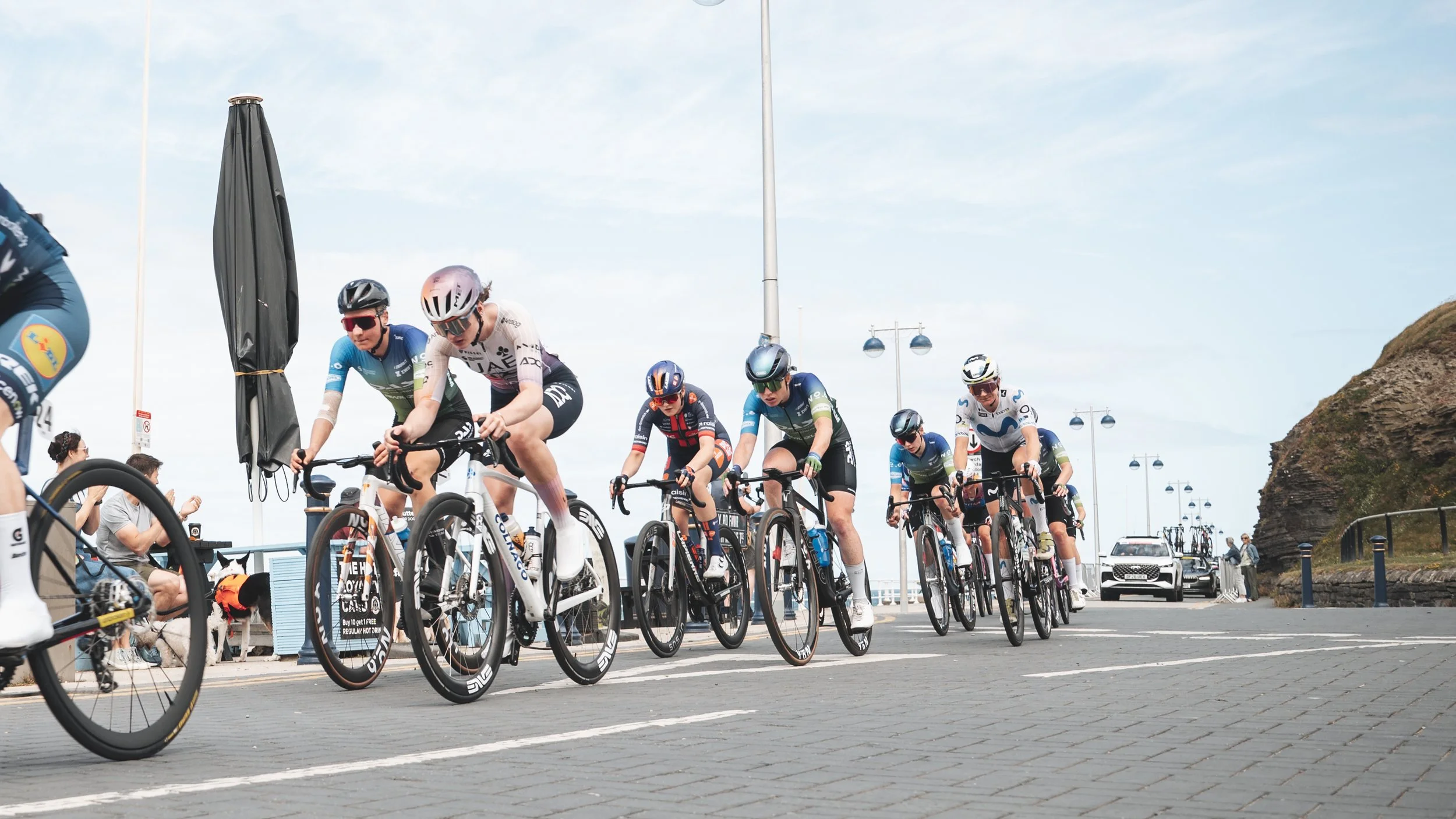
The results reinforced the thinking. Across their respective national championships, the riders arrived competitive rather than simply accumulating another start number at the end of a long sequence of races. In the British Road Championships, DAS-Hutchinson had two riders in the top 10 and six in the top 30. These results reflect Moors’ decisions and strategic planning.
Another example came at the Baloise Ladies Tour, a stage race defined by hectic racing, fast bunch sprints and two strong opportunities for time trials. For Moors, it represented a different kind of developmental opportunity.
“We had Aliyah there, who’s a first-year U23 rider,” he says. “It’s a great race for someone like her because she’s competing against a really high level, but on a parcours that isn’t so selective that it just blows the race apart and knocks confidence.”
In that sense, the race offered exposure without overwhelming the rider, a chance to learn positioning, speed and race craft in a demanding but manageable environment.
“It’s about putting riders in situations where they can grow,” Moors adds. “You want them challenged, but not to the point where they’re just surviving.”
Crucially, that philosophy also extends to how riders return to racing. While the aim is always to have athletes fit and competing, Moors is clear that forcing the process can be counterproductive.
“We allow riders to come back in their own time,” he says. “Of course we want everyone fit and racing, but sometimes you just have to trust the process and give them time to build. Over-racing is a dangerous avenue to go down.”
Looking ahead to the Tour of Britain, the same philosophy applies. With two National Series rounds in the lead-up, the focus is not simply on racing more, but on preparing correctly for what lies ahead while continuing to support the domestic calendar.
“We now have two National Series rounds before the Tour of Britain,” Moors says. “I want to allow the riders to prepare properly for the demands of that race. It’s going to be one of the hardest editions in recent years, against a very high-level start list. We need to respect that.”
For Moors, that matters because race volume and rider development are not synonymous. More racing can create more opportunities. It can also create tired riders, tired staff and an increasingly expensive programme without necessarily producing better performances. The same calculation applies behind the riders. A Continental team does not have unlimited sports directors, mechanics, soigneurs and vehicles. Every additional race consumes staff energy as well as budget, particularly when a programme involves consecutive international blocks.
“Staff energy is something people probably don’t think about enough,” Moors says. “You can have a great calendar on paper, but somebody still has to deliver it. If your staff are exhausted, eventually the quality of what you’re providing the riders drops as well.”
That makes saying no part of performance management. The objective is not to build the longest calendar possible, nor the most prestigious one. It is to create a sequence of races in which each block has a reason for being there: development, exposure, preparation or a genuine opportunity to achieve a result. For a team trying simultaneously to develop riders and compete against significantly larger programmes, restraint can therefore become a competitive advantage.
Milan Josy